Wedding Photography FAQs
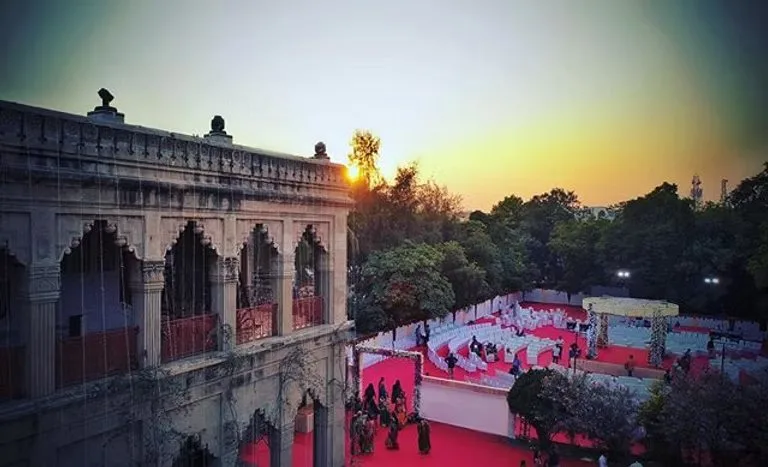
A comprehensive list of wedding photography questions. If there is anything on your mind that is not listed here, or not detailed enough, get in touch.
How would you describe your style?
A mixture of candid, documentary and photojournalistic work, depending on what the moment asks for. Photography is a way of remembering, so the emphasis falls on what actually happened rather than on the posed or the arranged. A wedding is covered the way a story is told — in sequence, as it unfolds, with the quiet hours treated as seriously as the ceremony.
In practice that means a good deal of the day is photographed without anyone being asked to do anything. Formal groups still happen, because there are relatives who will only appear in the album if someone organises a line, but they are a section of the coverage rather than its structure.
What equipment do you use?
Sony full-frame bodies and prime lenses including Carl Zeiss, all forms of off-camera and remote lighting, and the stands, rigs and supports that go with them. Equipment is updated continuously.
That said, the gear matters considerably less than the person holding it. Every professional at this level is working with capable cameras. What separates the results is knowing where to stand, what to anticipate, and when not to raise the camera at all.
Do you offer cinematography as well?
Yes. The film is shot alongside the photography rather than instead of it, in a documentary style that sits with the album rather than duplicating it. Sound is built under picture so that speeches keep their pauses, and colour is graded by hand toward a look that will still read as deliberate in ten years.
Do we need more than one photographer?
Most weddings are covered multi-camera, with traditional and candid photographers working alongside a cinematographer. Simultaneous functions in different locations need more, and large multi-day weddings need considerably more.
Smaller, more intimate weddings are well served by a single photographer. The right number is a function of the wedding, not a fixed rule.
What does a commission cost?
There is no price list. Each quotation is built on the time and effort involved. A signed contract and retainer reserve the date; dates are not held without both.
How far in advance should we book?
Eight to fourteen months for peak-season dates. Popular dates in the wedding calendar go earliest. If the date is already fixed, ask about availability before anything else.
Do you travel for destination weddings?
Yes. Work has been shot in eleven countries across three continents, including weddings in Oman, Indonesia and the United States, and pre-weddings in Paris, Bangkok and Dubai. Travel, accommodation and logistics are quoted separately from coverage.
Will our photographs be posted publicly?
Only with your agreement. A large share of the studio’s work never appears on social media because families prefer it stays off the internet, and that is honoured without exception.
What happens if it rains, or the schedule collapses?
Weddings run late; this is normal and planned for. Venues are visited in advance wherever possible so that indoor and low-light alternatives are already known rather than improvised. Backup equipment travels to every wedding.
Do you shoot pre-weddings separately?
Yes, in India and abroad. A pre-wedding shoot is also the most useful preparation available — it is the first time most couples are photographed at length, and it makes the wedding day itself considerably easier.
Complete the enquiry form with as much detail about the wedding as you can, and we will reply with availability.