Getting Married — You Must Check This
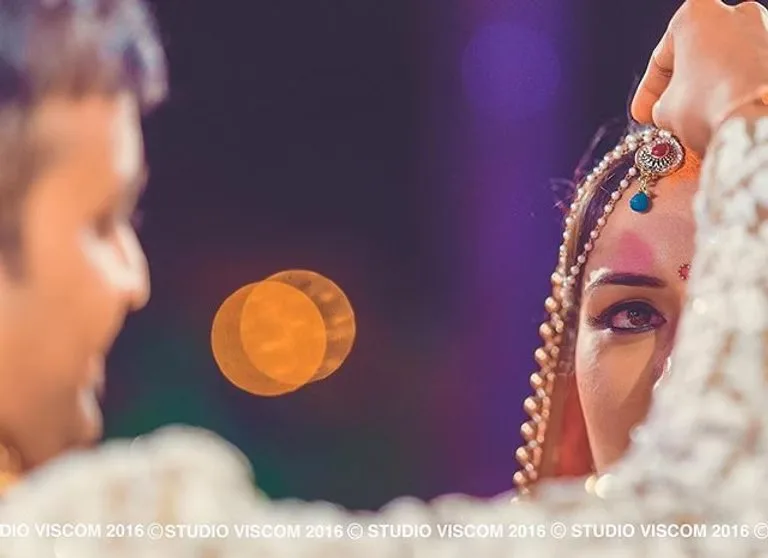
The first six months of planning are the ones that determine whether the last six are calm. Almost everything that goes wrong late is the consequence of a decision that was left open early. This is what to settle first.
Before anything else
Three decisions sit underneath everything that follows, and leaving any of them open is what makes the last six months difficult. Settle them together, with both families, before a single vendor is contacted.
- —Agree the guest count with both families, in writing, before booking a venue. Capacity is the constraint everything else runs into.
- —Decide whether the wedding is single-city or spread. This changes the budget more than any other single choice.
- —Fix the date against the venue’s availability, not the other way around.
12+ months out
The first year is for direction rather than bookings. Work out what kind of wedding this is, what it will cost, and who needs to know about it. Nothing here is urgent, which is precisely why it gets left too late.
- —Start getting organised.
- —Envision your wedding style and save photographs wherever you find them.
- —Talk through and finalise the budget.
- —Announce the wedding to family and close friends.
- —Envision the wedding dress and research jewellery designs.
- —Begin research on caterers.
9 to 11 months out
This is the booking window for anything with limited capacity. Venues, caterers and photographers on good dates are all working from the same calendar, and the popular dates are taken first. Shortlist widely now so the decisions later are between three options rather than whoever is left.
- —Scout venues until you find the right one.
- —Look for the wedding priest.
- —Start buying jewellery and finalise the guest list.
- —Shop for the trousseau and sign the catering contract.
- —Look for DJs, live bands and lighting; set florist appointments.
- —Begin research on photographers and videographers.
6 to 8 months out
Shortlists become contracts. Everything booked in this window has a lead time attached to it — outfits, invitations, travel — and each one moves at the pace of a supplier rather than yours. Signing now leaves room for the alterations and reprints that always follow.
- —Finalise and hire the photographer.
- —Book the honeymoon.
- —Research makeup trends and hairstyles.
- —Book the DJ and other entertainment.
- —Block rooms for outstation guests.
- —Order the wedding dress and the invitations.
The final weeks
The last three months are covered in more detail in the 2026 checklist. In outline, they are about confirmation rather than decision: fittings, trials, timings and reservations, each checked against what was agreed months earlier.
- —2 to 3 months: begin a beauty regimen, decide favours, schedule dress fittings, arrange transport, send invitations.
- —6 weeks: work out every detail of the ceremony, confirm hotel reservations, first dress fitting.
- —3 to 4 weeks: makeup and hair trials, confirm reservations, pick up the wedding dress.
What people forget
None of these appear on a standard planning list, and all three cause problems on the day when they are missed.
- —Crew meals and accommodation for out-of-town vendors.
- —Buffer time between functions. Ninety minutes on paper is forty in practice.
- —Someone to hold the phone, the rings and the schedule who is not the couple.
Photographers should be researched nine to eleven months out and booked six to eight months out. Earlier is better for a date in season.